


Beyond the Beam: Mastering Modern Endodontics with Sweeps™
Contents
How Sweeps™ + Fotona Dental Lasers Transform Patient Outcomes and Practice Growth
Read time: ~6 minutes • Evidence‑driven, practical guidance for clinicians considering laser‑assisted workflows
Introduction
Patients increasingly expect minimally invasive care with faster recovery and demonstrable outcomes. For modern dental practices, adopting technologies that reliably improve clinical results — not just aesthetics — is critical.
When combined, Sweeps™ (a protocol & analytics platform) and Fotona dental lasers (high‑performance Er:YAG and Nd:YAG systems) create reproducible, data‑driven workflows that enhance clinical performance across endodontics, periodontics, soft‑tissue surgery and more.
What is Sweeps™?
Sweeps™ is a clinical workflow and analytics layer designed to standardize advanced procedures, capture objective outcomes, and guide clinicians through evidence‑based protocols. It helps practices:
- Standardize care: step‑by‑step protocols reduce variability between clinicians.
- Document outcomes: structured data capture (clinical metrics, photos, patient‑reported outcomes).
- Optimize over time: treatment analytics make it easier to refine settings and techniques.
Why Fotona dental lasers?
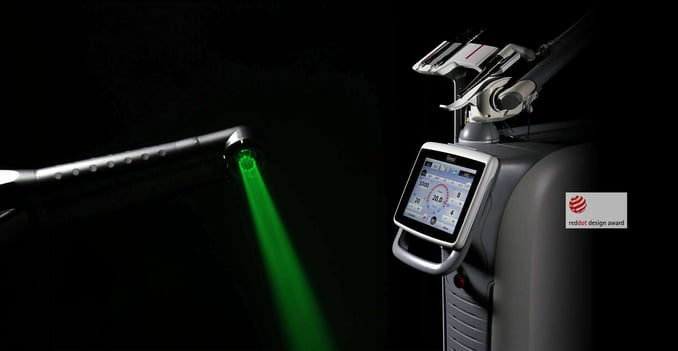
Fotona lasers are widely used in dental specialties because they combine high precision, proven tissue effects, and flexible modes that suit both hard‑ and soft‑tissue work. Key clinical strengths include:
- Precise ablation with minimal collateral thermal damage.
- Strong bactericidal effects useful in periodontal and endodontic contexts.
- Modes for photomechanical irrigation (e.g., PIPS/SWEEPS) that enhance canal debridement.
How they work better together
A high‑performance device is most effective when used within a consistent, evidence‑based protocol. Sweeps™ provides that protocol and tracking; Fotona provides the clinical mechanism. Together they deliver:
- Guided protocols: clinicians follow standardized parameters for indications, settings, and sequencing.
- Data feedback loop: outcomes feed back into protocol optimization.
- Reproducibility: the same high level of care can be delivered by different team members.
Clinical and Practice Benefits
Clinical benefits
- Enhanced disinfection in endodontic and periodontal therapy (photomechanical streaming and bactericidal laser effects).
- Faster soft‑tissue healing and reduced postoperative discomfort in many procedures.
- More precise soft‑tissue management and minimally invasive alternatives to scalpel where appropriate.
- Better intraoperative documentation (photos, metrics) that supports clinical decisions and referrals.
Practice benefits
- Stronger case acceptance for high‑value, minimally invasive procedures when you can show outcomes.
- Operational efficiency: guided workflows shorten the learning curve and reduce chair time variability.
- Marketing differentiation through evidence‑based, documented results and before/after galleries.
- Increased staff confidence and consistent delivery across providers.
A practical roadmap to integration
Implementing Sweeps™ + Fotona is best done in phases to manage risk and measure value.
- Select pilot procedures: choose 2–4 indications where lasers add clear clinical value (e.g., periodontal pocket reduction, endodontic irrigation with SWEEPS, soft‑tissue lesion removal).
- Train the team: clinical hands‑on training for laser safety and protocol execution; document roles for assistants and hygienists.
- Use protocol checklists: run checklists for each case and capture baseline metrics (pain scores, pocket depths, images).
- Measure & iterate: review outcomes after an initial cohort (20–50 cases), refine parameters based on documented results.
- Scale: expand procedures and clinicians as confidence and outcomes improve.
Case study template (use for patient stories)
Use this structure when publishing anonymized case studies or creating patient brochures:
- Patient profile: age range, chief complaint, relevant medical/dental history.
- Baseline metrics: clinical measures (pocket depths, pain score), intraoral photos.
- Procedure: indication, Fotona settings (documented), Sweeps™ protocol steps, adjuncts used.
- Outcome: objective follow‑up measures, patient‑reported outcomes, time to healing.
- Practice impact: procedure time, follow‑ups avoided, patient satisfaction/referrals.
Always obtain written consent for photos and case details prior to publication.
Safety & regulatory considerations
- Follow manufacturer instructions: use recommended settings and maintenance schedules for Fotona systems.
- Laser safety training: ensure all operators and staff complete accredited laser safety education and maintain documentation.
- Informed consent & documentation: explain benefits and risks, and document treatment parameters and outcomes.
- Local regulations: confirm any regional licensing or reporting requirements for laser procedures.
Tracking outcomes and demonstrating value
The ability to show objective improvements is a major advantage when adopting new technology. Trackable metrics include:
- Clinical measures (pocket depth, bleeding on probing, periapical healing metrics).
- Patient‑reported outcomes (pain scores, satisfaction surveys).
- Operational metrics (procedure time, number of visits, revenue per case).
Collect these consistently for a defined pilot period and use them to make an evidence‑based case internally and externally (referrals, marketing).
Quick FAQs
Q: Is laser therapy painful for patients?
A: Most soft‑tissue laser procedures are well tolerated; many patients report less postoperative pain than comparable scalpel procedures. Local anesthesia protocols remain the clinician’s choice.
Q: How long before a practice sees ROI?
A: ROI depends on case mix and pricing; many practices see increased case acceptance and higher‑value cases within 3–12 months when outcomes are tracked and marketed.
Q: Do hygienists use lasers?
A: Scope of practice varies by region. Hygienists can support laser workflows (e.g., preparation, documentation) where permitted; always follow local regulations.
Ready to learn more?
If you want to explore how Sweeps™ and Fotona lasers could fit your practice, we can arrange a clinical demo, training session, or a pilot program.
Schedule a demo Request training info